
Leave Your Legacy
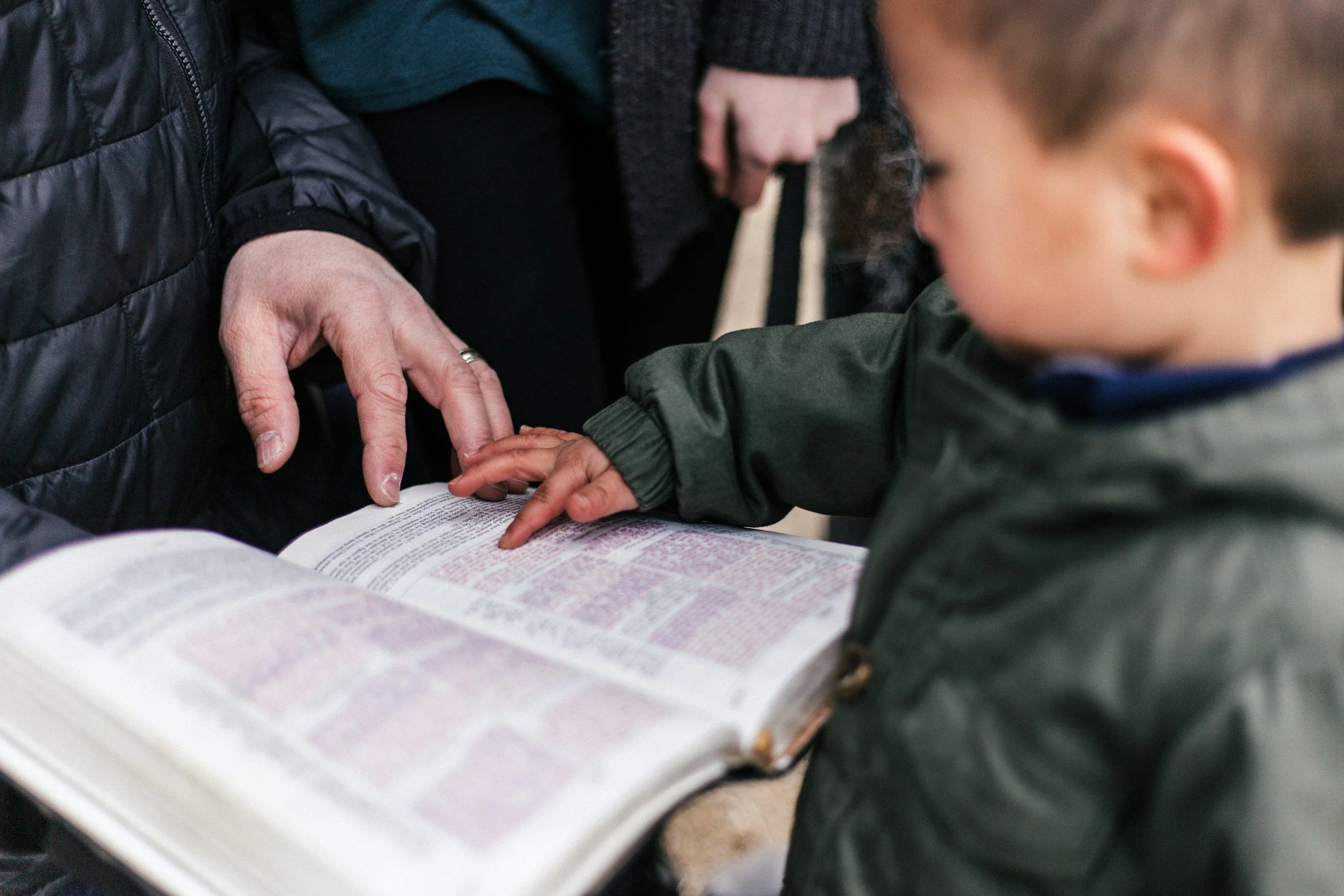
Planned giving is the act of sharing what we have received as blessings from God. It allows you to plan estate and charitable giving in a way that supports the mission of Holy Family School of Faith. Planned gifts go beyond ordinary giving—they create a lasting legacy of faith and stewardship. In many cases, they can also provide tax advantages or other financial benefits to the donor.
Whether you choose to give now or include a future gift in your plans, there are many meaningful ways to impact Holy Family School of Faith and ensure that the ministry continues to be shared for generations to come. Our team is here to walk with you through this process and to honor your intentions faithfully.
If you have already planned to leave a gift to School of Faith please notify us at give@schooloffaith.com or 913-227-4200. Thank you!
Planned Gift Guide
There are a variety of different ways you can make a planned gift, either today or in the future, for various tax benefits. Below are the common ways to give an estate gift to our ministry.
As with any financial decision, we recommend you speak with a tax professional or estate planning attorney to determine your best course of action.
For more information, please contact Anita at anitas@schooloffaith.com or call Anita at 913-227-4200.

Ways to Give
-
A bequest provision in your will or revocable trust, either as an outright sum or as a percentage of your estate, in an unrestricted form or for a specific purpose you specify.
-
A donor can designate an exempt organization as a beneficiary of a policy of insurance on their life. When the time comes, the nonprofit receives the proceeds.
This arrangement allows the donor to provide a large gift to benefit charity, often more than they would have been able to donate outright during life, without impairing their current cash flow.
-
A donor can gift real estate to a nonprofit, removing a large taxable asset from their estate and receiving the benefit of an income tax deduction equal to the appraised fair market value of the property, with no capital gains tax due on the transfer. The nonprofit can then either sell the real estate or keep it for its own use.
-
A donor can name a nonprofit as the beneficiary of a portion or all of their IRA, 401(k), or other retirement Account. After the donor’s death, the amount designated passes to the nonprofit, and the donor’s heirs avoid income and estate tax on that amount.
-
Donors age 70½ or older can make a tax-free charitable gift—called a Qualified Charitable Distribution (QCD)—directly from their traditional IRA to a qualified 501(c)(3) charity.
-
Publicly traded securities that a donor has owned for more than a year and that have appreciated in value can be transferred to a tax exempt organization, which can then sell the securities and apply the proceeds to whatever charitable purpose the donor designates.
The donor gets an income tax charitable deduction for the fair market value of the donated securities while also avoiding a capital gains tax — a win-win situation.
-
You transfer cash, securities or other appreciated property into a trust.
The trust pays a percentage of the market value of the assets, re-valued annually or at a fixed amount, to you or to beneficiaries you name. At the end of the trust term, the remainder of the trust is distributed to one or more charities selected by the donor.
-
You contribute cash, securities or other property to a trust. The trust makes fixed annual payments to SOF for a specified term of years. When the trust ends, the remaining principal goes to your heirs.
-
A donor may make an irrevocable gift of cash or securities to an exempt organization in exchange for an annuity contract, paying a fixed annuity for the donor’s life or for the life or lives of other annuitants. The donor claims an income tax deduction for the present value of the residuum to the issuing charity.
The information provided is not intended for tax, legal, or financial advice. It is important to consult with a qualified professional for personalized guidance regarding tax implications, legal matters, and financial planning. While the resources offer general information on planned giving and its benefits, they do not replace the need for professional advice.
Holy Family School of Faith, 13240 Craig Street. Overland Park KS 66213
Contact us: Give@schooloffaith.com